Physical therapy is now recommended as a first-line treatment ahead of surgery for many chronic pain conditions, including low back pain, degenerative meniscal tears, and frozen shoulder — not as a delay tactic, but because research shows outcomes that match or come close to surgical results for a meaningful share of patients. That doesn't mean surgery is never necessary. It means it shouldn't always be the first option considered.
Why Do Doctors Recommend Physical Therapy Before Surgery?
Clinical guidelines increasingly support this order. The American College of Physicians recommends nonpharmacologic therapies — including physical therapy and exercise — as first-line treatment for acute and chronic low back pain, ahead of medication or surgical referral in most cases.
The reasoning isn't just about avoiding risk, though that's part of it. Surgery addresses a structural problem directly, but not every source of chronic pain is purely structural. A meaningful share of chronic pain has a soft tissue component — dysfunction in the muscles, fascia, or connective tissue — that surgery isn't designed to resolve and may not even address.
What Does the Research Say About PT vs. Surgery?
The evidence varies by condition, but several well-known trials are worth knowing about:
- A 2018 randomized controlled trial published in the BMJ found physical therapy produced outcomes comparable to arthroscopic surgery for degenerative meniscal tears, with fewer complications.
- The Spine Patient Outcomes Research Trial (SPORT) found patients who chose physical therapy over surgery for lumbar disc herniation had comparable functional outcomes at long-term follow-up.
- For frozen shoulder (adhesive capsulitis), physical therapy is generally the preferred first approach before surgical intervention is considered.
None of this means PT is guaranteed to work instead of surgery for every patient. It means for a lot of common chronic pain conditions, it's worth trying first — particularly when a proper diagnosis identifies what's actually driving the pain.
When Does Surgery Make More Sense Than Physical Therapy?
Surgery is generally the better option when there's a clear structural problem that manual and exercise-based treatment can't correct — significant nerve compression with progressive neurological symptoms, structural instability, or cases where conservative treatment has been tried appropriately and hasn't resolved the issue.
The distinction is proportional to how well the underlying cause has actually been identified. Patients who go straight to surgery without a thorough diagnostic workup sometimes find the surgery doesn't fully resolve their pain — because the actual driver, such as a soft tissue restriction or compensatory movement pattern, wasn't part of what surgery targeted in the first place.
How Does Soft Tissue Therapy Fit Into a Pre-Hab Approach?
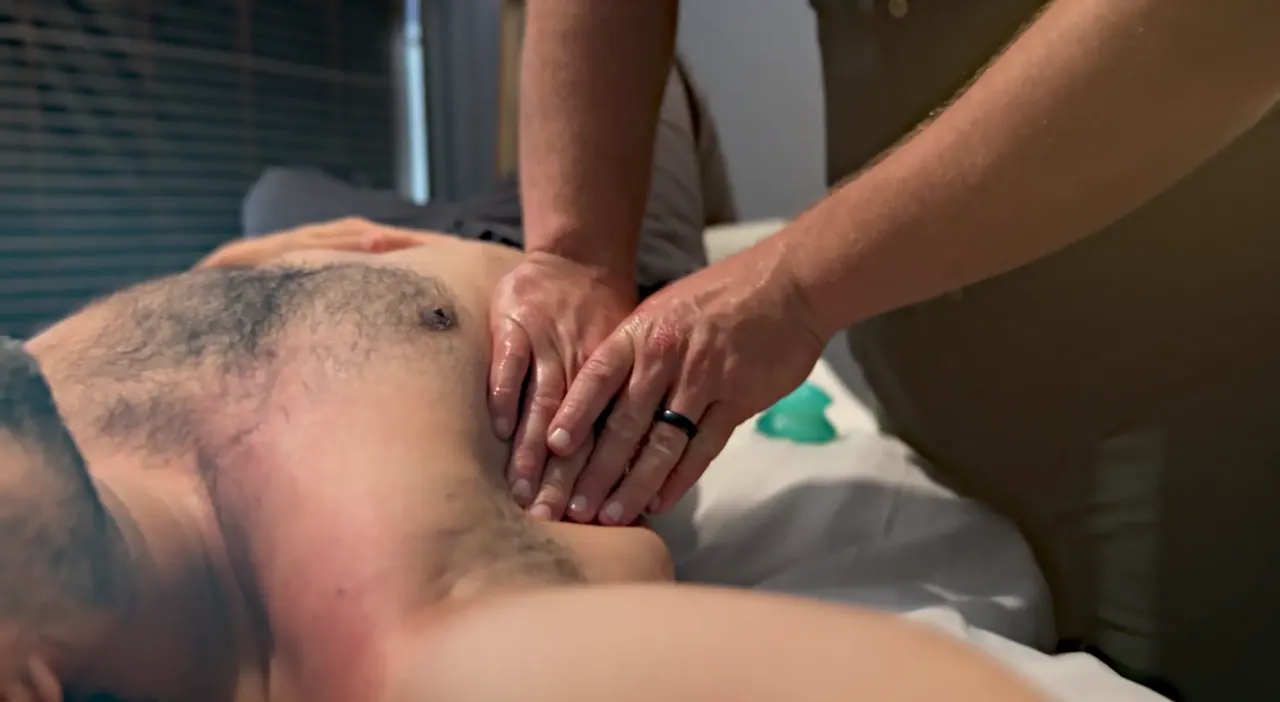
Pre-hab — treating chronic pain proactively, before surgery becomes the assumed next step — depends on accurately identifying the cause. This is where soft tissue therapy becomes relevant for a lot of patients considering surgery.
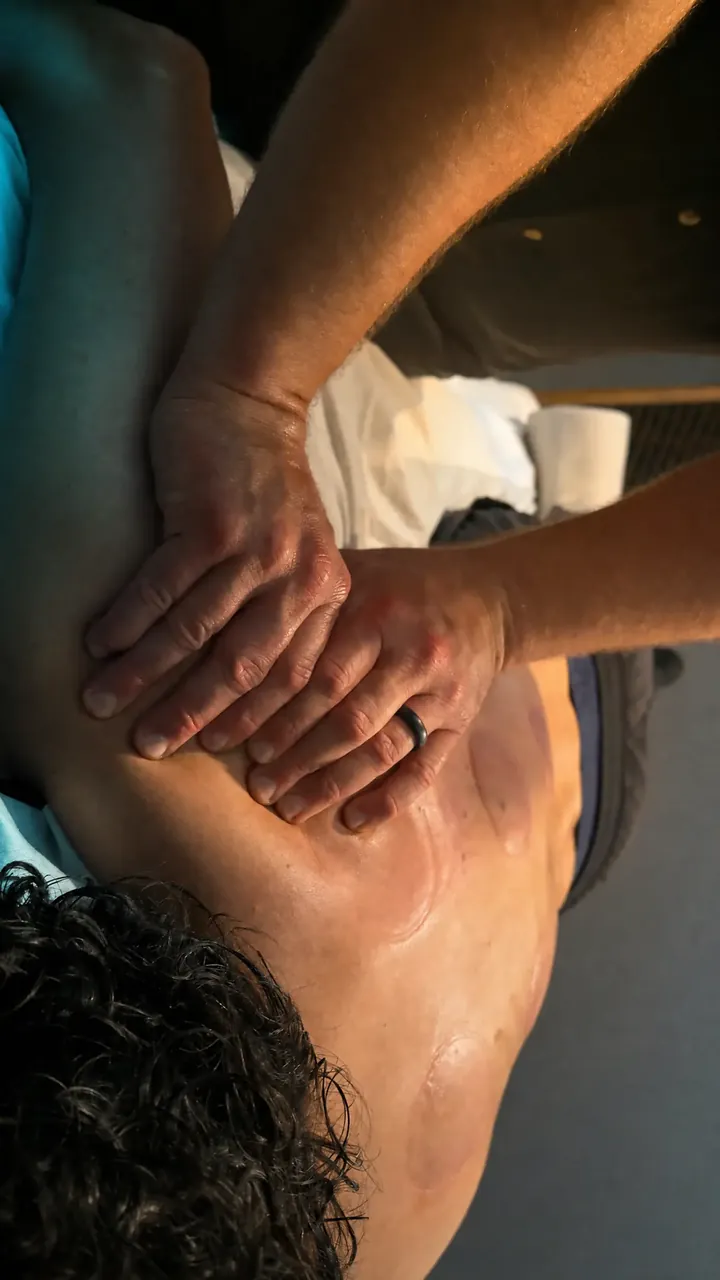
Adhesions between muscles, fascial restrictions, and soft tissue dysfunction can mimic symptoms often attributed to structural problems — including nerve-related pain that looks like it's coming from a joint or disc issue but is actually rooted in soft tissue compression. Techniques like myofascial release and Manual Adhesion Technique are specifically designed to identify and treat this layer, which standard exercise-only PT protocols and medical massage alone often don't address directly.
For patients weighing surgery, a diagnostic evaluation that specifically checks for soft tissue involvement — not just imaging for structural issues — is worth requesting before committing to a surgical path.
Who Should Consider Physical Therapy Before Surgery?
Generally, patients dealing with chronic pain who haven't yet had a comprehensive diagnostic workup, or whose imaging doesn't clearly explain the severity of their symptoms, are strong candidates for trying physical therapy — including soft tissue-focused treatment — before scheduling surgery. This is particularly relevant for patients who've been told their pain is "just wear and tear" without a more specific diagnosis.
Sources
Qaseem A, Wilt TJ, McLean RM, Forciea MA. "Noninvasive treatments for acute, subacute, and chronic low back pain: a clinical practice guideline from the American College of Physicians." Annals of Internal Medicine, 166(7), 2017. Randomized controlled trial on physical therapy vs. arthroscopic surgery for degenerative meniscal tears, BMJ, 2018. Spine Patient Outcomes Research Trial (SPORT).
This content is for general informational purposes and is not a substitute for individualized medical advice. Always consult a licensed physician or physical therapist before making treatment decisions, including whether to pursue or delay surgery.