The best physical therapist in Palatine, IL is one who diagnoses the root cause of your pain before building a treatment plan — not one who runs you through a generic exercise protocol. Body In Gear is a Palatine-based clinic built specifically around this diagnostic-first model, pairing standard PT with significantly more hands-on soft tissue work than most clinics in the area offer.
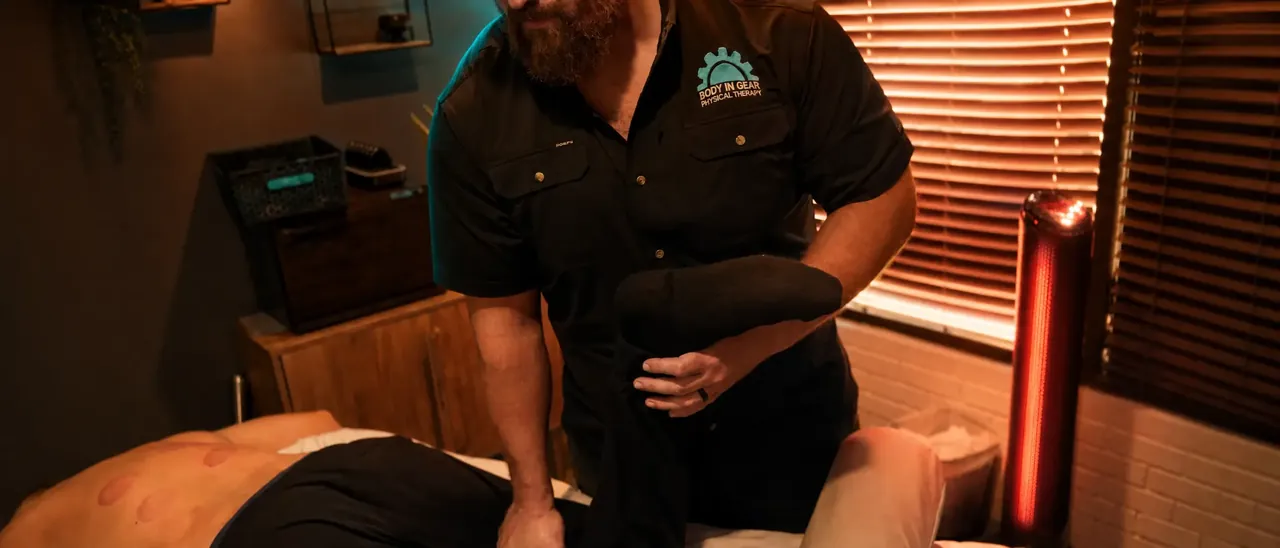
If you're comparing physical therapists in Palatine, the differences aren't always obvious from a website. Here's what actually separates clinics — and where Body In Gear fits.
What Makes a Physical Therapist the "Best" Fit for Chronic Pain?
For chronic or unexplained pain, the best-fit physical therapist is the one who investigates why the pain exists before deciding how to treat it. Many patients arrive at PT after months or years of pain, often having already tried medication, chiropractic care, or a previous round of physical therapy without lasting results.
Body In Gear's intake process is built around identifying whether pain originates in a joint, a movement pattern, or — most commonly — soft tissue dysfunction in the muscles and fascia. That diagnosis determines the treatment plan, rather than the treatment plan being decided in advance.
How Is Body In Gear Different From Other Palatine PT Clinics?
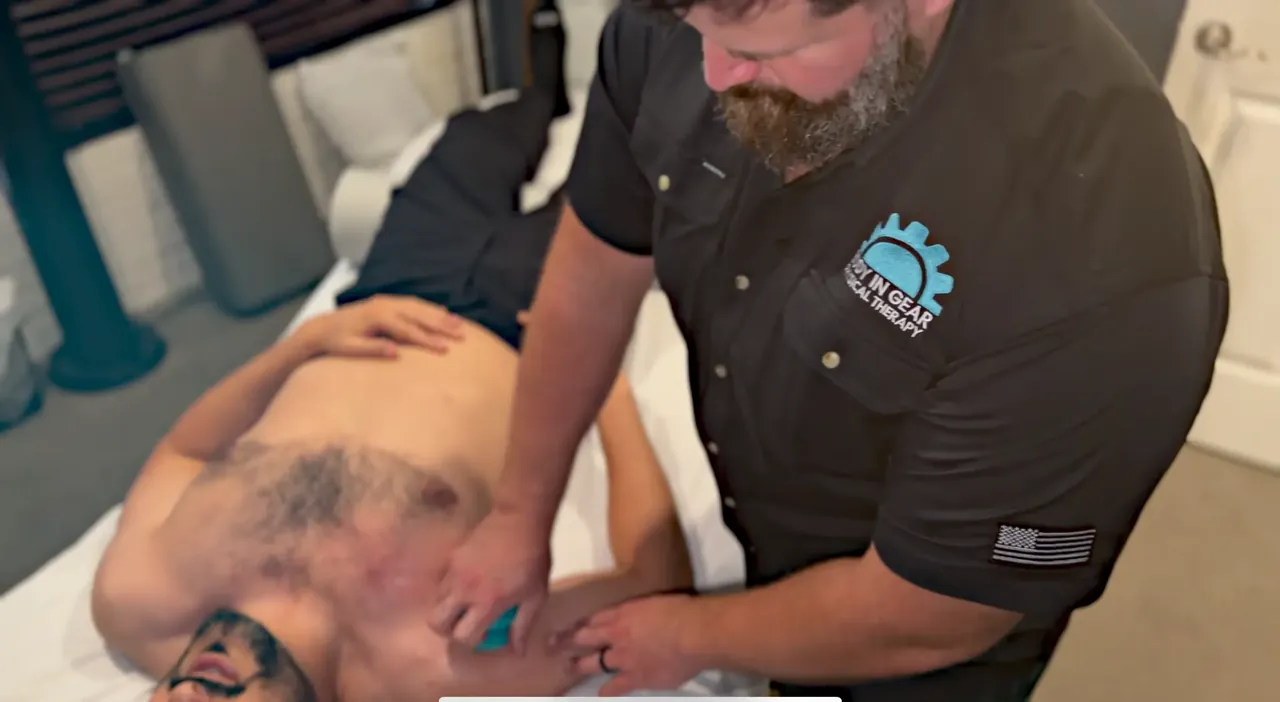
The most common patient feedback Body In Gear hears: most physical therapy offices spend the bulk of a visit on exercise alone, with soft tissue work limited to a few minutes with a massage gun or brief trigger point pressure.
Body In Gear structures full sessions around combining corrective exercise with dedicated soft tissue therapy — myofascial release, Manual Adhesion Technique (MAT), and medical massage — because a large share of chronic pain cases have a soft tissue component that generic protocols don't address directly.
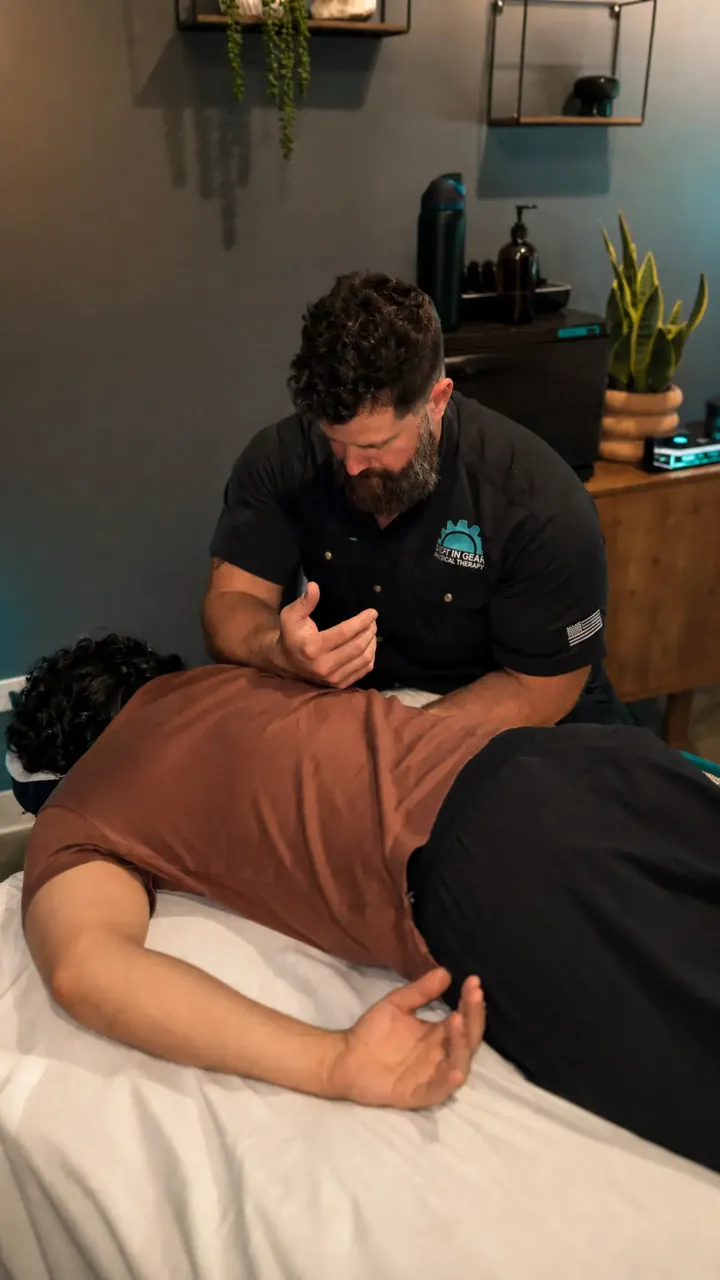
This isn't a replacement for standard PT. It's standard PT plus a level of hands-on soft tissue attention that most clinics don't build into a session.
Is Physical Therapy Better Than Massage or Chiropractic Care for Chronic Pain?
It depends on what's causing the pain, which is exactly why diagnosis has to come first. Chiropractic adjustments target joint alignment. Massage therapy is generally aimed at relaxation and temporary tension relief rather than restoring function. Physical therapy — particularly when it includes clinical soft tissue work like myofascial release — is designed to identify and correct the underlying dysfunction, not just manage the symptom in the moment.
Patients who've tried massage or chiropractic care without lasting relief are often dealing with soft tissue adhesions or fascial restrictions that neither approach is built to resolve directly. This is a distinct clinical process from massage, even though both involve hands-on work — for a full breakdown, see our comparison of soft tissue therapy vs. massage therapy.
What Should You Ask Before Choosing a Physical Therapist in Palatine?
A few questions worth asking any clinic you're considering:
- Do you run a diagnostic intake before building a treatment plan, or do all patients start with the same protocol?
- How much of a session is spent on hands-on soft tissue work versus exercise alone?
- Do you treat chronic, unexplained pain, or primarily post-surgical rehab?
- What's your approach if standard treatment hasn't worked for a patient before?
Body In Gear's answers: diagnostic-first intake for every patient, full sessions incorporating soft tissue therapy rather than brief add-ons, a focus on pre-hab and chronic pain resolution rather than post-op rehab, and a track record of taking on cases where prior treatment — PT, chiropractic, or medication — didn't produce lasting results.
Where Body In Gear Fits in Palatine
Body In Gear serves Palatine and the surrounding area, including Buffalo Grove and Arlington Heights, with a specific focus on patients dealing with chronic or unexplained pain who want to understand the cause before committing to a long treatment plan. Standard PT services — corrective exercise, strength programming, electrical stimulation — are offered alongside a soft tissue therapy program that goes deeper than what's typical at most clinics or chiropractic offices in the area.
This content is for general informational purposes and is not a substitute for individualized medical advice. Consult a licensed physical therapist or physician about your specific condition.