Soft tissue therapy and massage therapy both use hands-on techniques on the same tissue — muscles, fascia, tendons — but the intent, training, and clinical outcome are different. Massage therapy is generally aimed at relaxation and temporary tension relief. Soft tissue therapy, performed by a licensed physical therapist, is a diagnostic, clinical process aimed at restoring function and resolving the underlying cause of pain.
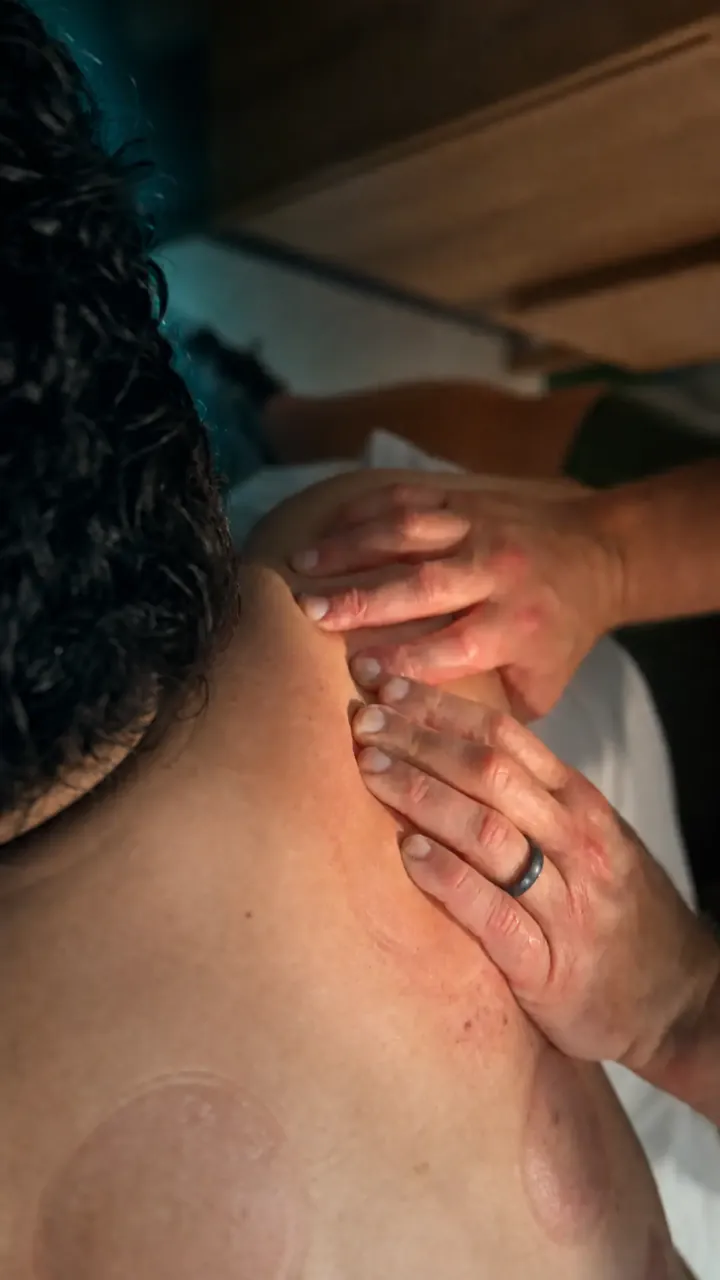
Search for "massage near me" and you'll find both. The distinction matters if you're trying to actually resolve chronic pain rather than temporarily relieve it.
Is Soft Tissue Therapy the Same as Massage?
Not quite — though they overlap enough to cause real confusion. Both fall under the broader category of manual therapy and use similar physical techniques: pressure, kneading, stretching of soft tissue. The American Physical Therapy Association defines manual therapy techniques as a clinical, diagnostic approach used to evaluate and correct musculoskeletal dysfunction — distinct from massage, which is typically administered for relaxation and general wellness rather than diagnosis or correction.
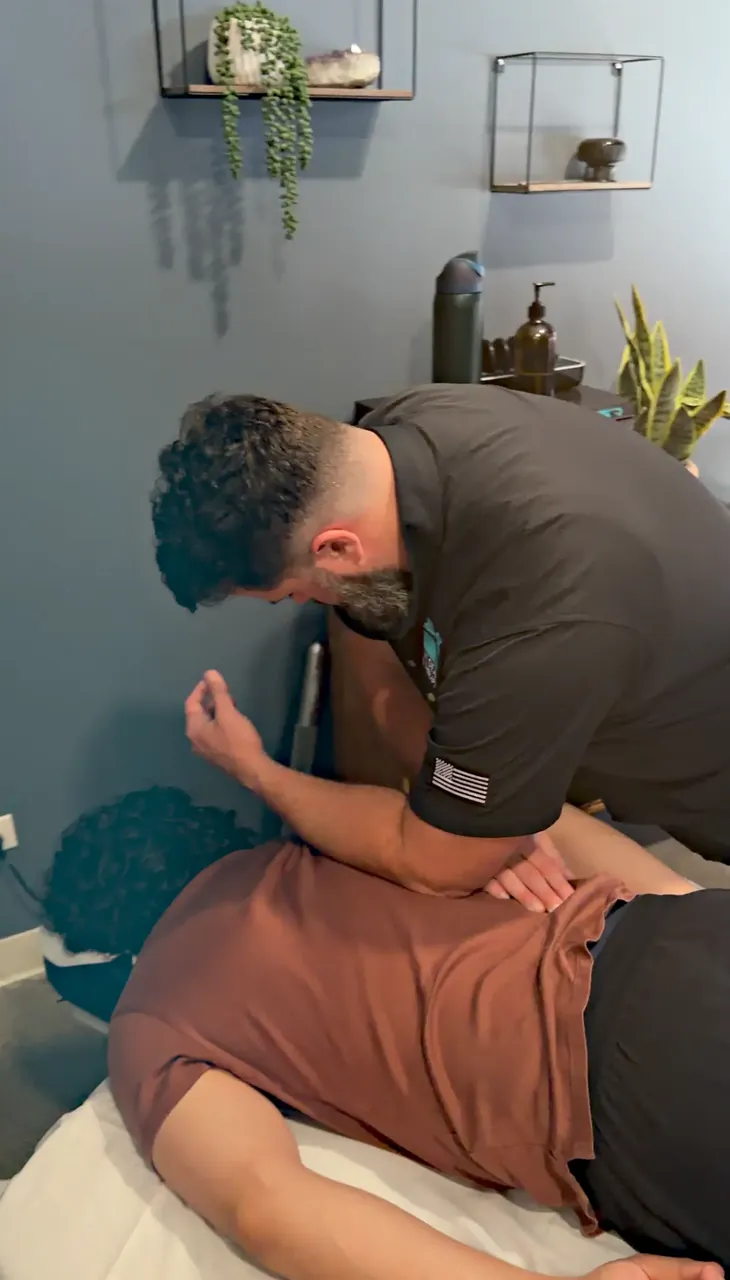
The plain-language version: massage is the general concept — rhythmic pressure applied to relieve tension. Soft tissue therapy is the specific clinical application of similar techniques, guided by a diagnosis, aimed at a particular dysfunction.
What's the Difference in Intent?
This is the part that actually matters for chronic pain patients. Massage therapy's goal is typically to reduce stress and muscle tension in the moment. Soft tissue therapy's goal is to identify a specific restriction — a fascial adhesion, a movement-limiting muscle restriction — and mechanically correct it.
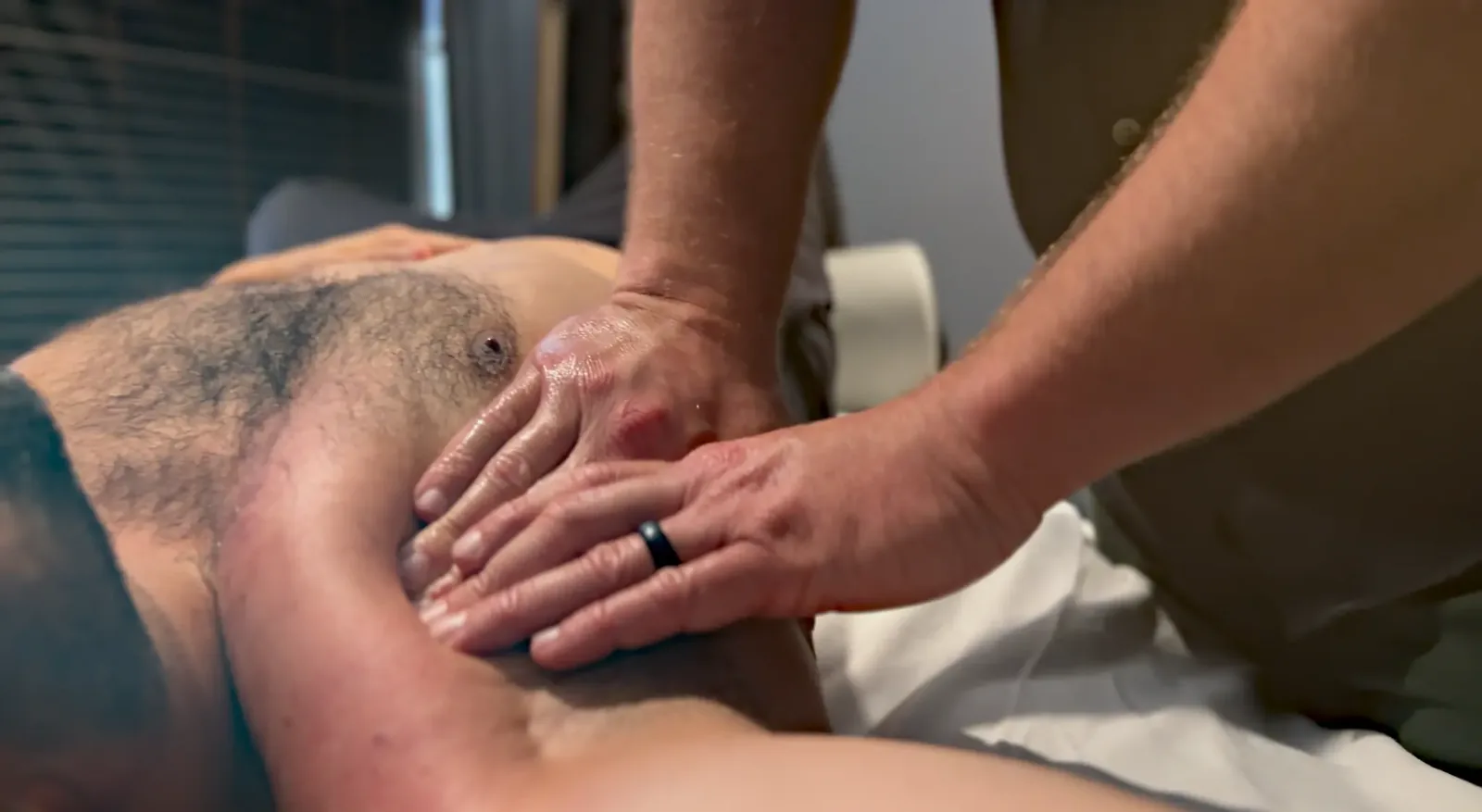
A massage therapist may work broadly across an area to promote relaxation. A physical therapist performing soft tissue therapy is working from a diagnosis: palpating for the exact adhesion or restriction, applying a specific technique to that structure, and reassessing function afterward.
What's the Difference in Training?
Massage therapists complete state-mandated training focused on relaxation-based technique and general anatomy. Physical therapists performing soft tissue therapy complete graduate-level clinical training in musculoskeletal diagnosis, movement assessment, and the specific manual techniques — including myofascial release and instrument-assisted work — used to treat identified dysfunction.
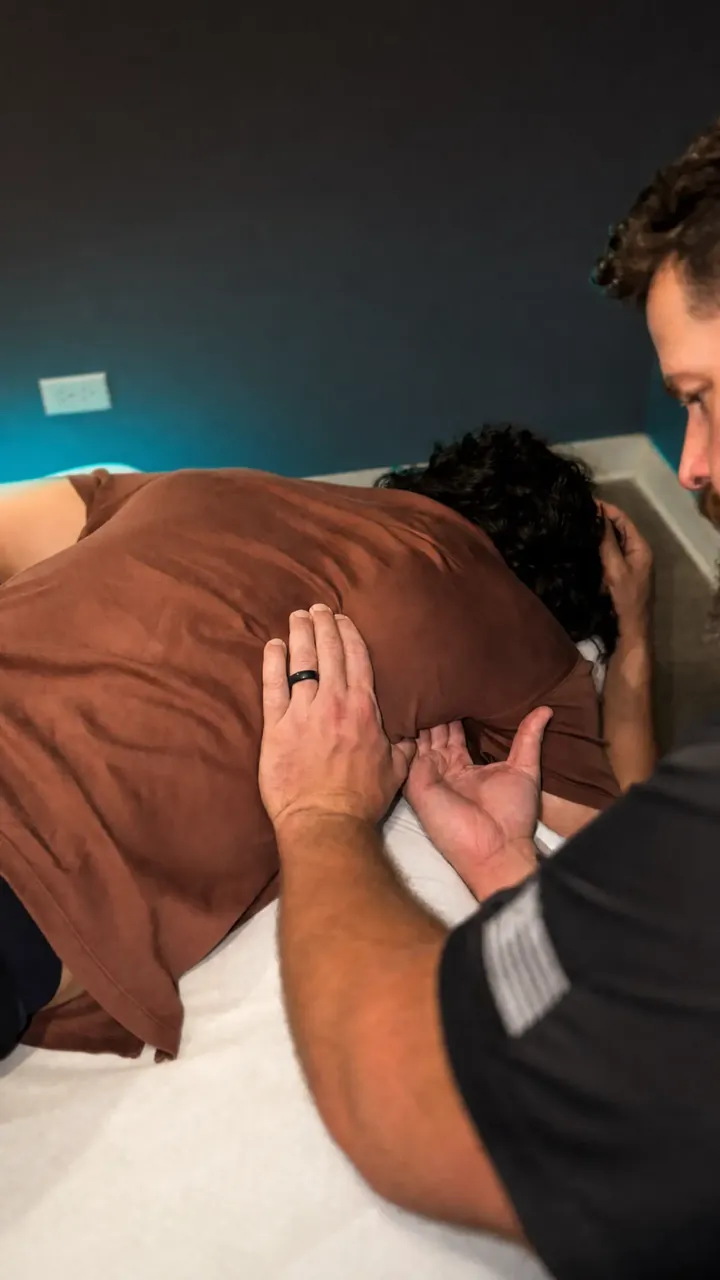
This is why soft tissue therapy at a PT clinic is typically billed and delivered differently than a massage appointment: it's part of a diagnosed treatment plan, not a standalone relaxation service.
Does Body In Gear Offer Massage or Soft Tissue Therapy?
Both terms describe overlapping work, and it's worth being direct about that rather than pretending they're unrelated. Medical massage is one component of Body In Gear's soft tissue therapy program — used specifically to relax the nervous system and prepare tissue before deeper techniques like myofascial release or Manual Adhesion Technique. It's structured around clinical outcome, not relaxation alone, but it uses many of the same physical techniques patients associate with massage.
If you're searching for massage in Palatine because you want relief from muscle tension, medical massage covers that. If you're dealing with chronic pain that hasn't resolved with standard massage or PT, the deeper soft tissue therapy — myofascial release and MAT specifically — is built to go further.
Which Should You Choose?
- Choose massage if your goal is general relaxation, stress relief, or short-term tension relief without an underlying diagnosis.
- Choose soft tissue therapy if you have chronic or recurring pain, a diagnosed condition, or symptoms that haven't resolved with standard massage or PT — and you want the underlying cause identified and treated directly.
Many patients benefit from both at different points, which is part of why medical massage is built into the soft tissue therapy process at Body In Gear rather than treated as a separate, unrelated service.
Sources
American Physical Therapy Association (APTA), "Manual Therapy Techniques," 2017.
This content is for general informational purposes and is not a substitute for individualized medical advice. Consult a licensed physical therapist about your specific condition.